Jesus Christ: A Complete Guide
Jesus Christ stands as one of the most influential figures in human history, a first-century Jewish preacher and religious leader whose life, teachings, and legacy have fundamentally shaped Western civilization and continue to impact billions of people worldwide. Born approximately between 6 to 4 BC in Bethlehem, Jesus Christ lived and ministered in Roman-occupied Palestine before his crucifixion around AD 30 or 33. This comprehensive analysis examines Jesus Christ from multiple perspectives—historical, religious, theological, and cultural—to provide a thorough understanding of his profound significance. As the central figure of Christianity, Jesus Christ’s life and message have not only founded a global religion but also shaped ethical systems, cultural traditions, and social movements across millennia. Christian faith centers on the belief that Jesus Christ is the Son of God, sent to redeem humanity from sin through his death and resurrection. For millions of believers, Jesus Christ is more than a historical figure; he is a living presence and the source of hope, forgiveness, and eternal life.
The life and ministry of Jesus Christ occurred against the complex backdrop of first-century Palestine, where Roman political domination, Jewish religious diversity, and social stratification created a unique historical context. He emerged as a transformative figure who challenged existing religious and social structures while offering a radical message of love, forgiveness, and the coming Kingdom of God. His teachings and miracles attracted both devoted followers and fierce opposition, ultimately leading to his crucifixion and subsequent resurrection—events that would establish the foundation of Christianity. This article explores how Jesus Christ is understood within Christian theology, his core teachings, his impact on world history, and his enduring relevance in contemporary society. By examining his life through historical records, religious texts, and cultural interpretations, we gain a holistic view of why Jesus Christ remains a figure of unparalleled influence.
I. Historical Background and Context of Jesus Christ’s Life
1.1 The Roman Political Environment in First-Century Palestine
The political landscape of Palestine during Jesus Christ’s lifetime was characterized by Roman imperial control, established through a complex system of direct and indirect rule. In 63 BC, the Roman general Pompey conquered Jerusalem, incorporating the already partially Hellenized Hasmonean Kingdom of Judea into the Roman Republic as a client kingdom. By the time of Jesus Christ’s birth, the entire region of Jewish Palestine, along with neighboring Gentile areas, was ruled by Rome’s “friend and ally,” Herod the Great. Herod’s reign was marked by ambitious building projects, including the expansion of the Second Temple in Jerusalem, but also by tyranny and paranoia—traits that would later lead to the massacre of infants in Bethlehem, forcing Jesus Christ’s family to flee to Egypt.
The Roman system of governance in Palestine evolved significantly during Jesus Christ’s lifetime. Initially, Rome governed through client kings like Herod the Great, but following his death in 4 BC, the territory was divided among his three sons. Herod Antipas received Galilee and Perea with the title of tetrarch, while Archelaus ruled Judea, Samaria, and Idumea with the title of ethnarch. This arrangement proved unstable, and in AD 6, Judea was reorganized into a Roman province under direct imperial administration through governors or procurators, the most famous of whom was Pontius Pilate (AD 26-36)—the governor who would later sentence Jesus Christ to death by crucifixion.
The Roman government practiced a form of syncretism, accepting that all religious beliefs, philosophical teachings, and government systems were ultimately compatible with the Roman system. They implemented what might be considered one of the first “one country, two systems” policies, granting religious freedom, political freedom, and freedom of thought while maintaining strict overall control. However, this apparent tolerance masked deep tensions, as the Jews maintained significant distrust and often hatred for the Roman Empire, viewing themselves as unwilling subjects. This political unrest would later contribute to the Jewish Revolt of AD 66-70, which resulted in the destruction of the Second Temple—a pivotal event that reshaped Jewish history and further solidified the distinct identity of Christianity as a separate faith from Judaism, centered on the teachings of Jesus Christ.
1.2 Jewish Religious Diversity and Sectarianism
The religious landscape of first-century Palestine was remarkably diverse, with multiple Jewish sects competing for influence and offering different interpretations of Jewish law and tradition. The Jewish historian Josephus identifies three main Jewish sects during Jesus Christ’s time: the Pharisees, the Sadducees, and the Essenes. By the time Jesus Christ began his ministry, a fifth group, the Zealots, had also emerged as a significant political and religious force, advocating for armed resistance against Roman rule. Each of these sects had distinct beliefs and practices, and their interactions with one another and with Jesus Christ would shape the context of his ministry.
The Pharisees were the largest and most influential group, numbering approximately 6,000 members around the time of Jesus Christ. They were primarily a lay group known for their precise interpretation of the law and their belief in the resurrection of the dead. The Pharisees believed in both the written Torah and an oral law that God gave to Moses at Sinai—traditions that they believed preserved the true meaning of God’s commands. They were considered the spiritual fathers of modern Judaism and maintained that an afterlife existed where God would punish the wicked and reward the righteous. Jesus Christ frequently engaged in debates with the Pharisees, challenging their legalism and emphasizing the spirit of the law over its letter.
The Sadducees represented the priestly aristocracy and wealthy elite who sought to maintain the priestly caste. Unlike the Pharisees, they rejected the oral law and did not believe in the resurrection of the dead, angels, or spirits. The Sadducees were more willing to incorporate Hellenistic influences into their lives, a position strongly opposed by the Pharisees. This sect disappeared around AD 70 after the destruction of the Second Temple, as their power and influence were closely tied to the Temple’s existence. Jesus Christ’s interactions with the Sadducees were often tense, as they viewed his teachings as a threat to their authority and religious traditions.
The Essenes emerged out of disgust with the corruption they perceived in the other sects. They believed that the Pharisees and Sadducees had corrupted the city and the Temple, so they withdrew from Jerusalem and established monastic communities in the desert. The Essenes are particularly significant because they are believed to be the group that lived at Qumran near the Dead Sea, where the Dead Sea Scrolls were discovered in 1947. These scrolls, which include some of the oldest surviving copies of the Hebrew Bible, provide valuable insights into the religious beliefs and practices of a group that existed during Jesus Christ’s lifetime. While there is no direct evidence that Jesus Christ had contact with the Essenes, their emphasis on purity, asceticism, and the coming of a messianic figure shares some similarities with his teachings.
The Zealots were a politically radical group that advocated for armed resistance against Roman rule. They were dedicated to achieving Jewish independence and viewed any collaboration with Rome as treasonous. This group’s militant activities contributed to the volatile political atmosphere during Jesus Christ’s ministry, and their influence would later play a key role in the Jewish Revolt. Jesus Christ’s message of non-violence and his focus on a spiritual kingdom rather than a political one set him apart from the Zealots, though some of his followers may have initially hoped he would be a political messiah who would drive the Romans out of Palestine.
1.3 Social Structure and Economic Conditions
The social structure of first-century Palestine was highly stratified, with significant disparities between the wealthy elite and the impoverished majority. The Roman government’s system of taxation, including land taxes (tributum soli) and poll taxes, placed heavy burdens on the population. Tax collectors, who were often local Jews, were considered traitors and outcasts by their own people, as they were seen as collaborating with the Roman oppressors and enriching themselves at the expense of their fellow Jews. This social division would later become a key theme in Jesus Christ’s teachings, as he frequently criticized the wealthy and powerful and advocated for the poor and marginalized.
The social hierarchy in Palestine during Jesus Christ’s time can be broadly categorized into three classes. The upper class consisted primarily of temple priests and priestly aristocracy, including members of the Sadducee sect. This class held significant political and religious power and often collaborated with Roman authorities to maintain their privileged position. They owned large estates, controlled the Temple’s finances, and enjoyed access to education and luxury goods that were unavailable to the majority of the population.
The middle class included traders, merchants, artisans, craftsmen, and members of the Pharisee sect, along with scribes, teachers, and sages. Joseph, Jesus Christ’s earthly father, was a carpenter, placing the family in this middle class. This class was characterized by relative economic stability and social respectability, though they still faced significant challenges, including heavy taxation and economic uncertainty. Many members of the middle class were devout Jews who sought to follow the law and maintain their religious identity in the face of Roman occupation.
The lower class comprised laborers, weavers, stone carriers, and slaves, as well as the unemployable, including lepers, the blind, the insane, and the crippled. The majority of the population belonged to the peasant class, including tenant farmers and farm laborers, to whom Jesus Christ often referred in his parables. These individuals lived in abject poverty, struggling to feed their families and pay their taxes. They had little to no political power and were often exploited by the wealthy and powerful. Jesus Christ’s ministry focused heavily on this class, as he healed the sick, fed the hungry, and offered them hope through his message of the Kingdom of God.
The economic system was supported by three key segments: agriculture (olives, figs, grains, dates, and vineyards), trade facilitated by Palestine’s strategic location on the Mediterranean Sea, and large government building projects sponsored by King Herod. However, despite this economic activity, the vast majority of people lived in poverty, creating a society ripe for the social and religious upheaval that Jesus Christ’s ministry would bring. His teachings challenged the existing social order, emphasizing that in God’s Kingdom, the last would be first and the first would be last—a message that resonated deeply with the poor and marginalized.
II. The Religious and Theological Significance of Jesus Christ
2.1 Jesus Christ as the Son of God and Second Person of the Trinity
The religious significance of Jesus Christ lies fundamentally in his identity as the Son of God and the second person of the Trinity. Christian theology defines Jesus Christ as fully God and fully human, a doctrine articulated in the concept of the hypostatic union. This understanding represents a central tenet of Christian faith, affirmed throughout the New Testament and formalized in early church councils, such as the Council of Nicaea (AD 325) and the Council of Chalcedon (AD 451). The hypostatic union teaches that Jesus Christ has two distinct natures—divine and human—united in one person, without mixture or separation. This unique union allows him to serve as the perfect mediator between God and humanity, as he is able to understand human suffering and yet possesses the divine power to save.
The doctrine of the Trinity describes God as existing in three distinct persons sharing one divine essence: God the Father, God the Son (Jesus Christ), and God the Holy Spirit. These three persons are coeternal and consubstantial, meaning they share the same divine nature while maintaining their distinct personal identities. The relationship between the Son and the Father is eternal, existing “in the beginning” before the incarnation and before creation. The New Testament’s Gospel of John begins with the proclamation: “In the beginning was the Word, and the Word was with God, and the Word was God. All things were made through him, and without him was not any thing made that was made” (John 1:1-3). Here, the “Word” (Greek: Logos) is identified as Jesus Christ, emphasizing his eternal divine nature and his role in creation.
The biblical evidence for Jesus Christ’s divinity is extensive and multifaceted. The New Testament explicitly calls him “our great God and Savior” (Titus 2:13) and affirms that “the fullness of the Godhead dwells in him” (Colossians 1:19; 2:9). Jesus Christ shares titles and names given to Yahweh in the Old Testament, receives worship as God, and performs actions that only God can perform. He is described as the creator of the universe (John 1:3; Colossians 1:16), possessing divine attributes such as omnipresence, omniscience, omnipotence, and immutability. Jesus Christ himself claimed to be divine, declaring, “I and the Father are one” (John 10:30) and “He who has seen me has seen the Father” (John 14:9)—statements that led his opponents to accuse him of blasphemy and ultimately seek his death.
The incarnation—the doctrine that God became human in Jesus Christ—represents a unique event in religious history. Through the power of the Holy Spirit, the eternal Son was united to a human nature in the womb of the Virgin Mary. This miraculous conception allowed Jesus Christ to be fully human while remaining fully divine, enabling him to serve as the perfect mediator between God and humanity. The incarnation is celebrated by Christians worldwide at Christmas, which commemorates the birth of Jesus Christ in Bethlehem. For believers, this event is a demonstration of God’s love for humanity, as God chose to enter into human history, experience human suffering, and ultimately sacrifice himself to save humanity from sin.
2.2 Jesus Christ’s Titles and Messianic Identity
Jesus Christ is known by numerous titles and names throughout the Bible, each revealing different aspects of his identity and mission. The title “Christ” itself derives from the Greek word “Christos,” meaning “anointed one,” which is equivalent to the Hebrew term “Messiah.” This title proclaims Jesus as the fulfillment of Old Testament prophecies concerning the promised deliverer of Israel. The Old Testament contains numerous prophecies about the Messiah, including that he would be born of the seed of David (2 Samuel 7:12-13), born in Bethlehem (Micah 5:2), and would suffer and die for the sins of his people (Isaiah 53). Christians believe that Jesus Christ fulfills all these prophecies, confirming his identity as the long-awaited Messiah.
The significance of the name “Jesus” is directly tied to his role as Savior. The name itself means “Yahweh saves” or “Savior,” and it describes his primary function as expressed in his title of Savior throughout Scripture. The angel’s announcement to Joseph regarding the child to be born to Mary stated: “You shall call his name Jesus, for he will save his people from their sins” (Matthew 1:21). This name emphasizes that Jesus Christ’s mission is to deliver humanity from the power and penalty of sin, offering forgiveness and eternal life to all who believe in him.
Jesus Christ is identified by many other significant titles that reveal his divine nature and redemptive mission. The title “Son of God” declares his eternal relationship to the Father and his divine nature. Peter’s confession, “You are the Christ, the Son of the living God” (Matthew 16:16), represents a pivotal moment in recognizing Jesus’s true identity. This title is used throughout the New Testament to emphasize Jesus Christ’s divine sonship and his unique relationship with God the Father.
The title “Lord” acknowledges Jesus Christ’s sovereign authority and divine status. The New Testament frequently uses “Lord” as a divine title equivalent to Yahweh in the Old Testament. In the early Christian church, believers would greet one another with the phrase “Maranatha,” meaning “Our Lord comes,” emphasizing their belief in Jesus Christ’s lordship and their expectation of his return. For Christians, confessing Jesus Christ as Lord is a declaration of faith that he is the ultimate authority in their lives.
The title “Savior” emphasizes Jesus Christ’s role in delivering humanity from sin and its consequences. The angel’s announcement to the shepherds proclaimed: “Today in the city of David a Savior has been born to you, who is Christ the Lord” (Luke 2:11). This title highlights that Jesus Christ’s death and resurrection are the means by which humanity is saved from sin, death, and separation from God. The apostle Paul wrote: “For God so loved the world, that he gave his only Son, that whoever believes in him should not perish but have eternal life” (John 3:16)—a verse that encapsulates the core of Christian faith in Jesus Christ as Savior.
Other important titles of Jesus Christ include “Lamb of God,” which highlights the sacrificial nature of his mission; “Word (Logos),” which emphasizes his eternal divine nature and role in creation; and “Son of Man,” which combines both human and divine elements, referencing Daniel’s vision of one “like a son of man” who receives eternal dominion (Daniel 7:13-14). Each of these titles contributes to a fuller understanding of Jesus Christ’s identity and mission, revealing him to be both fully human and fully divine, the Messiah and Savior of humanity.
2.3 Jesus Christ as Savior and Redeemer
The central role of Jesus Christ as Savior and Redeemer lies at the heart of Christian theology. Salvation in Christianity is defined as the deliverance of human beings from sin and its consequences—including death and separation from God—through Christ’s death and resurrection. This redemptive work is described as substitutionary atonement, where Jesus Christ’s sacrificial death serves as a substitute for sinners, satisfying the justice of God. The Bible teaches that all human beings are sinful by nature (Romans 3:23) and that the penalty for sin is death (Romans 6:23). However, God, in his love and mercy, sent Jesus Christ to die in our place, paying the penalty for our sins and making forgiveness and eternal life possible.
The atonement accomplished by Jesus Christ was both foreordained and voluntary. From eternity past, God planned to send his Son to redeem humanity, and Jesus Christ willingly submitted to this plan, declaring, “Not my will, but yours, be done” (Luke 22:42) in the Garden of Gethsemane. Through his suffering, death, and resurrection, Jesus Christ overcame both spiritual and physical death, breaking the power of sin and opening the way for humanity to be reconciled to God. His redemptive work took place in two primary locations: the Garden of Gethsemane, where he began to take upon himself the sins of all people, and the cross at Calvary, where he completed the sacrifice.
The biblical understanding of redemption involves the concept of liberation from bondage through the payment of a price. In biblical language, to redeem means to deliver from bondage or set free by paying the cost of deliverance. Jesus Christ has redeemed humanity from sin by paying the ultimate price in his own death on the cross. This substitutionary sacrifice is expressed in Jesus’s own words: “This is my blood of the covenant, which is poured out for many for the forgiveness of sins” (Matthew 26:28). The blood of Jesus Christ is seen as the means by which the new covenant between God and humanity is established, replacing the old covenant of the law with a covenant of grace.
The significance of Jesus Christ’s atonement extends beyond individual salvation to encompass cosmic reconciliation. Through his death and resurrection, Jesus Christ made possible the restoration of the relationship between God and humanity, opening the way for believers to experience forgiveness, reconciliation, and eternal life. The apostle Paul wrote: “Therefore, if anyone is in Christ, he is a new creation. The old has passed away; behold, the new has come. All this is from God, who through Christ reconciled us to himself and gave us the ministry of reconciliation” (2 Corinthians 5:17-18). This reconciliation is not limited to individual believers but also includes the restoration of all creation, which is groaning under the weight of sin (Romans 8:22). Christians believe that when Jesus Christ returns, he will fully restore creation to its original perfection, establishing an eternal Kingdom where there will be no more sin, suffering, or death.
III. The Life and Ministry of Jesus Christ
3.1 Birth, Childhood, and Early Life
Jesus Christ was born to the Virgin Mary in Bethlehem, a small village in Judea, approximately between 6 to 4 BC. His birth occurred during a Roman census when Joseph and Mary had traveled from their home in Nazareth to Bethlehem to register, as Joseph was a descendant of King David, and Bethlehem was David’s hometown. The circumstances of his birth were marked by humility—due to the lack of room in the inn, Jesus was born in a stable and laid in a manger, surrounded by animals. This humble beginning stands in stark contrast to his divine identity, emphasizing that Jesus Christ came to serve rather than to be served.
According to Christian tradition preserved in the Gospels, Jesus was circumcised on the eighth day according to Jewish custom, a sign of his inclusion in the covenant that God had made with Abraham (Genesis 17:10-14). Shortly after his birth, his family was forced to flee to Egypt to escape the massacre of infants ordered by King Herod, who sought to eliminate the newborn “King of the Jews” after hearing from the Magi that a savior had been born in Bethlehem. The Magi, or wise men, had traveled from the East to worship Jesus Christ, bringing him gifts of gold, frankincense, and myrrh—gifts that symbolized his kingship, divinity, and eventual death.
Following Herod’s death in 4 BC, the family returned to Palestine and settled in Nazareth in Galilee, where Jesus grew to adulthood. Nazareth was a small, insignificant village in Galilee, and its residents were often looked down upon by Jews from Judea. The fact that Jesus Christ grew up in Nazareth would later lead to skepticism from some of his contemporaries, who asked, “Can anything good come out of Nazareth?” (John 1:46). However, Jesus Christ’s upbringing in Nazareth shaped his ministry, as he would later begin his public work in Galilee, preaching in synagogues and villages throughout the region.
Information about Jesus Christ’s childhood is limited in the Gospels, but what is recorded reveals important aspects of his early development. The biblical accounts state that “the child grew and became strong in spirit, filled with wisdom; and the grace of God was upon him” and that “Jesus increased in wisdom and stature, and in favor with God and man” (Luke 2:40, 52). These verses indicate that Jesus Christ was a normal child who grew physically, mentally, and spiritually, yet he was also unique, filled with God’s grace and wisdom from an early age.
A significant event from Jesus’s childhood occurred when he was twelve years old. While visiting Jerusalem for the Passover feast, he remained behind in the temple, engaging in discussion with the teachers and asking them questions. “All who heard him were astonished at his understanding and his answers,” demonstrating even at this young age his exceptional spiritual insight and understanding of God’s word. When Mary and Joseph found him, Jesus asked them, “Why were you looking for me? Did you not know that I must be in my Father’s house?” (Luke 2:49)—a statement that reveals his awareness of his divine mission and his unique relationship with God the Father. This event foreshadows Jesus Christ’s future ministry, which would center on teaching about God’s Kingdom and fulfilling his Father’s will.
3.2 Ministry, Miracles, and Teachings
Jesus Christ’s public ministry began when he was approximately thirty years old. His ministry was preceded by several significant events: his baptism by John the Baptist in the Jordan River, his forty-day fast in the wilderness where he was tempted by the devil, and his subsequent return to Galilee to begin preaching. John the Baptist was a prophet who had been called by God to prepare the way for Jesus Christ, preaching a message of repentance and baptism for the forgiveness of sins. When Jesus Christ came to be baptized by John, John recognized him as the Messiah and declared, “Behold, the Lamb of God, who takes away the sin of the world!” (John 1:29).
At Jesus Christ’s baptism, the Holy Spirit descended upon him in the form of a dove, and a voice from heaven declared, “You are my beloved Son; with you I am well pleased” (Mark 1:11). This event confirmed Jesus Christ’s identity as the Son of God and marked the beginning of his public ministry. Following his baptism, Jesus Christ went into the wilderness to fast for forty days and forty nights, where he was tempted by the devil. The devil tempted Jesus Christ to turn stones into bread to satisfy his hunger, to jump from the pinnacle of the temple to test God’s protection, and to worship him in exchange for all the kingdoms of the world. Jesus Christ resisted each temptation by quoting Scripture, demonstrating his obedience to God and his reliance on his word.
After his time in the wilderness, Jesus Christ returned to Galilee and began his public ministry, preaching the message: “Repent, for the Kingdom of Heaven is at hand” (Matthew 4:17). He gathered twelve disciples, who would become his closest followers and eventual leaders of the early Christian church. The twelve disciples were ordinary men—fishermen, tax collectors, and zealots—chosen by Jesus Christ to share in his ministry and spread his message to the world. Jesus Christ taught his disciples to love God and neighbor, to forgive others, and to pray for their enemies, modeling these teachings through his own life and actions.
During his ministry, Jesus Christ performed numerous miracles that demonstrated his divine authority and compassion. These miracles can be categorized into several types: healing miracles, nature miracles, and exorcisms. Healing miracles were among the most common demonstrations of Jesus’s power. He healed the sick, gave sight to the blind, cleansed lepers, and restored health to those afflicted with various diseases. One particularly notable healing was the raising of Lazarus from the dead after four days in the tomb, where Jesus declared: “I am the resurrection and the life. Whoever believes in me, though he die, yet shall he live” (John 11:25). This miracle revealed Jesus Christ’s power over death and confirmed his divine identity.
Nature miracles demonstrated Jesus’s authority over creation. He walked on water, calmed storms, turned water into wine at a wedding in Cana, and fed thousands of people with just five loaves of bread and two fish. These miracles not only met immediate needs but also served as signs pointing to his divine nature. For example, when Jesus Christ fed the five thousand, he demonstrated his ability to provide for his people, just as God had provided manna for the Israelites in the wilderness. When he calmed the storm on the Sea of Galilee, he revealed his authority over the forces of nature, emphasizing that he is the Lord of all creation.
Exorcisms revealed Jesus’s power over spiritual forces of evil. He cast out demons from those who were possessed, demonstrating that the Kingdom of God had come to destroy the works of the devil. In one instance, Jesus Christ cast out a legion of demons from a man living in the region of the Gerasenes, sending the demons into a herd of pigs, which then rushed into the sea and drowned (Mark 5:1-20). This miracle demonstrated Jesus Christ’s power over evil and his mission to deliver humanity from the bondage of sin and Satan.
The teachings of Jesus Christ were characterized by their revolutionary nature and profound spiritual insight. In the Sermon on the Mount, he introduced a new standard of righteousness that went beyond the letter of the law to address the heart. For example, he taught that “You shall not kill” was no longer sufficient; his followers were required to reject hatred, practice forgiveness, and even love their enemies. He also taught that “You shall not commit adultery” extended to the heart, declaring that “whoever looks at a woman with lustful intent has already committed adultery with her in his heart” (Matthew 5:28).
The central theme of Jesus Christ’s teaching was the commandment to love. He declared the greatest commandments: “Love the Lord your God with all your heart and with all your soul and with all your mind” and “Love your neighbor as yourself” (Matthew 22:37-39). He extended this teaching to include love for one’s enemies, saying: “Love your enemies and pray for those who persecute you, so that you may be sons of your Father who is in heaven” (Matthew 5:44). This revolutionary teaching challenged the conventional “eye for an eye” mentality of the time and introduced a radical ethic of non-retaliation and love.
Jesus Christ also taught extensively about the Kingdom of God, describing it as a spiritual kingdom that is both present and future. He used parables to illustrate the nature of the Kingdom of God, comparing it to a mustard seed, a pearl of great value, and a net cast into the sea. These parables emphasized that the Kingdom of God is not a physical kingdom but a spiritual reality that begins in the hearts of believers and will one day be fully established when Jesus Christ returns. Jesus Christ taught that entrance into the Kingdom of God requires repentance and faith, and that those who humble themselves like children will be the greatest in the Kingdom (Matthew 18:4).
3.3 Passion, Death, and Resurrection
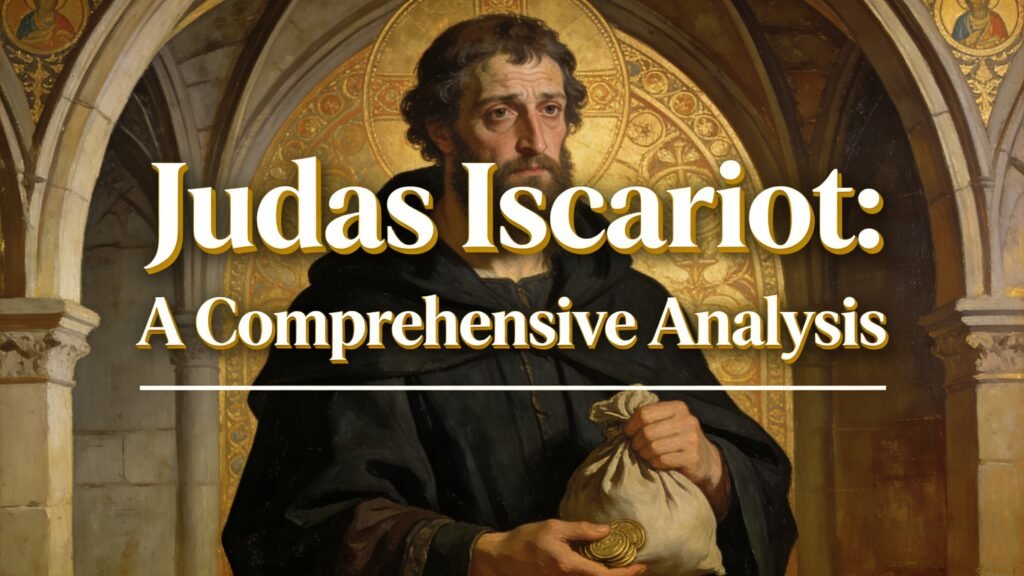
The final week of Jesus Christ’s life, known as Holy Week, culminated in his crucifixion and resurrection. After entering Jerusalem triumphantly on Palm Sunday, Jesus was betrayed by Judas Iscariot, one of his twelve disciples, who agreed to hand him over to the Jewish authorities in exchange for thirty pieces of silver. Judas identified Jesus Christ to the authorities with a kiss, a sign of betrayal that has become iconic in Christian tradition.
Jesus Christ was arrested in the Garden of Gethsemane, where he had gone to pray with his disciples. He underwent a series of trials, first before the Jewish Sanhedrin (the supreme religious court of the Jews) and then before Pontius Pilate, the Roman governor. The Sanhedrin accused Jesus Christ of blasphemy, claiming that he had claimed to be the Son of God and the King of the Jews. The Roman authorities, however, were more concerned with political unrest, and Pilate questioned Jesus Christ about his claim to be a king. Jesus Christ responded, “My kingdom is not of this world. If my kingdom were of this world, my servants would have been fighting, that I might not be delivered over to the Jews. But my kingdom is not from the world” (John 18:36).
Pilate found no basis for the charges against Jesus Christ and repeatedly declared him innocent. However, yielding to pressure from the crowd and political considerations (he feared that the Jews would report him to the Roman emperor for failing to maintain order), Pilate ultimately sentenced Jesus Christ to death by crucifixion. Crucifixion was a brutal form of execution used by the Romans to punish criminals and rebels, designed to be slow, painful, and humiliating. Jesus Christ was stripped, beaten, and forced to carry his own cross to Golgotha (Calvary), the site of his crucifixion.
Jesus Christ was crucified outside Jerusalem, where he died after several hours, uttering the words “It is finished” before giving up his spirit. The phrase “It is finished” (Greek: tetelestai) was a common term in ancient times meaning “paid in full,” emphasizing that Jesus Christ had completed his redemptive work, paying the full penalty for humanity’s sins. At the moment of Jesus Christ’s death, the curtain of the Temple was torn in two from top to bottom, a sign that the barrier between God and humanity had been removed, and that all people could now approach God directly through Jesus Christ.
The crucifixion of Jesus Christ occurred in first-century Judea, most likely in AD 30 or AD 33. Following his death, his body was taken down from the cross and placed in a tomb owned by Joseph of Arimathea, a wealthy follower of Jesus Christ who was a member of the Sanhedrin. A large stone was rolled across the entrance to the tomb, and the tomb was guarded by Roman soldiers to prevent any claim of resurrection. The Jewish authorities also placed a seal on the stone to ensure that no one could tamper with the tomb.
Three days after his burial, Jesus Christ rose from the dead, fulfilling his own predictions and Old Testament prophecies. The resurrection of Jesus Christ is the central miracle of Christianity, and it is attested to by numerous witnesses. On the third day, Mary Magdalene and other women went to the tomb to anoint Jesus Christ’s body with spices, only to find that the stone had been rolled away and the tomb was empty. An angel appeared to the women and declared, “Do not be afraid, for I know that you seek Jesus who was crucified. He is not here, for he has risen, as he said. Come, see the place where he lay” (Matthew 28:5-6).
Jesus Christ appeared to numerous witnesses over a forty-day period, including his disciples, Mary Magdalene, and more than five hundred people at one time (1 Corinthians 15:6). These appearances confirmed that his resurrection was a physical reality, not a spiritual illusion. Jesus Christ ate with his disciples, allowed them to touch his wounds, and taught them about the Kingdom of God. He also commissioned his disciples to spread his message to all nations, saying: “Go therefore and make disciples of all nations, baptizing them in the name of the Father and of the Son and of the Holy Spirit, teaching them to observe all that I have commanded you. And behold, I am with you always, to the end of the age” (Matthew 28:19-20).
After forty days, Jesus Christ ascended into heaven, where he sits at the right hand of God the Father. The ascension is celebrated by Christians worldwide on Ascension Day, and it confirms Jesus Christ’s exaltation and his role as Lord of all creation. The disciples watched as Jesus Christ was taken up into heaven, and two angels appeared to them, saying: “Men of Galilee, why do you stand looking into heaven? This Jesus, who was taken up from you into heaven, will come in the same way as you saw him go into heaven” (Acts 1:11)—a promise that Jesus Christ will return again in glory.
IV. The Teachings and Ethical Principles of Jesus Christ
4.1 The Kingdom of God: Central Message and Theology
The concept of the Kingdom of God stands as the central theme in Jesus Christ’s teaching ministry. The Kingdom of God represents the central message of the Bible’s salvation story, which Jesus Christ accomplished through his incarnation, sinless life, suffering, and resurrection. This Kingdom is both a present reality and a future hope, inaugurated through Jesus’s ministry but ultimately to be fully established when he returns. For Jesus Christ, the Kingdom of God was not a political kingdom but a spiritual reality that transforms the hearts of believers and brings about justice, peace, and love.
Jesus Christ’s teaching on the Kingdom of God emphasized the necessity of radical spiritual transformation. He told Nicodemus, a Pharisee and member of the Sanhedrin: “Truly, truly, I say to you, unless one is born again, he cannot see the Kingdom of God” (John 3:3). This teaching highlights that entry into God’s Kingdom requires a divine transformation that transcends human effort or religious observance alone. The “born again” experience refers to a spiritual rebirth through the Holy Spirit, where a person repents of their sins, believes in Jesus Christ as Savior, and is made a new creation in him.
The Kingdom of God is established as individuals are translated from the kingdom of darkness into the Kingdom of God’s Son (Colossians 1:13). This transformation involves a fundamental change in allegiance, values, and lifestyle. Jesus taught that the Kingdom of God is not of this world in its origin or nature, yet it breaks into human history through his ministry and the work of the Holy Spirit. The Kingdom of God is characterized by love, joy, peace, patience, kindness, goodness, faithfulness, gentleness, and self-control (Galatians 5:22-23)—the fruit of the Holy Spirit working in the lives of believers.
Jesus Christ used numerous parables to illustrate the nature of the Kingdom of God. In the parable of the mustard seed, he said: “The Kingdom of Heaven is like a grain of mustard seed that a man took and sowed in his field. It is the smallest of all seeds, but when it has grown it is larger than all the garden plants and becomes a tree, so that the birds of the air come and make nests in its branches” (Matthew 13:31-32). This parable emphasizes that the Kingdom of God begins small but grows exponentially, encompassing all nations and peoples.
In the parable of the pearl of great value, Jesus Christ said: “The Kingdom of Heaven is like a merchant in search of fine pearls, who, on finding one pearl of great value, went and sold all that he had and bought it” (Matthew 13:45-46). This parable highlights the incomparable value of the Kingdom of God, emphasizing that it is worth sacrificing everything to obtain. For believers, the Kingdom of God is the greatest treasure, bringing eternal joy and fulfillment that cannot be found in worldly possessions or achievements.
The full establishment of the Kingdom of God will occur when Christ returns to judge the world and create a new heaven and new earth. This future consummation will be an everlasting Kingdom in which all dominions will serve and obey him. The true people of God will reign with Christ, who will exercise authority over all governments, hence his title “King of kings and Lord of lords” (Revelation 19:16). In this eternal Kingdom, there will be no more sin, suffering, or death, and God will dwell with his people forever (Revelation 21:3).
4.2 The Beatitudes: Blessedness and Righteousness
In the Sermon on the Mount, Jesus Christ delivered eight profound teachings known as the Beatitudes. The word “beatitude” means “supreme blessedness” or “exalted happiness,” and these teachings highlight the blessings that come from developing specific righteous characteristics. The Beatitudes challenge conventional wisdom about happiness and success, which often focuses on wealth, power, and pleasure. Instead, Jesus Christ teaches that true blessedness comes from a right relationship with God and a life of righteousness and compassion.
The first Beatitude is: “Blessed are the poor in spirit, for theirs is the Kingdom of Heaven” (Matthew 5:3). This teaching exalts spiritual humility and dependence on God rather than worldly wealth or status. The “poor in spirit” are those who recognize their spiritual poverty, their need for God’s grace, and their inability to save themselves. They do not rely on their own good works or religious achievements but trust fully in Jesus Christ for salvation. For these individuals, the Kingdom of Heaven is a present reality, as they have been adopted into God’s family through faith.
The second Beatitude is: “Blessed are those who mourn, for they shall be comforted” (Matthew 5:4). Jesus promises that those who mourn and turn to him will find the comfort they seek, transforming grief into hope. This mourning can refer to grief over sin, grief over the suffering of others, or grief over the brokenness of the world. Jesus Christ himself wept over the city of Jerusalem (Luke 19:41), demonstrating his compassion for those who are hurting. For believers, God’s comfort is not the absence of grief but the presence of God in the midst of grief, bringing peace and hope that transcends understanding.
The third Beatitude is: “Blessed are the meek, for they shall inherit the earth” (Matthew 5:5). The meek—those who are teachable, patient, and long-suffering—are promised an eternal inheritance. Meekness is not weakness; it is strength under control, a willingness to submit to God’s will and to treat others with kindness and respect. Jesus Christ himself was meek and lowly in heart (Matthew 11:29), and he calls his followers to imitate his meekness. The promise to inherit the earth refers to the eternal Kingdom of God, where the meek will reign with Christ forever.
The fourth Beatitude is: “Blessed are those who hunger and thirst for righteousness, for they shall be satisfied” (Matthew 5:6). Those who earnestly seek after God’s righteousness will find their spiritual hunger satisfied. This hunger and thirst for righteousness is a deep desire to live in accordance with God’s will, to be holy as God is holy (1 Peter 1:16). It is not a superficial desire for moral improvement but a passionate pursuit of God and his ways. Jesus Christ promises that those who seek righteousness will be satisfied, as God will fill them with his Holy Spirit and his presence.
The fifth Beatitude is: “Blessed are the merciful, for they shall receive mercy” (Matthew 5:7). Jesus taught that those who show mercy will also receive mercy, establishing a principle of reciprocity in God’s Kingdom. Mercy is compassion in action, a willingness to forgive others and to help those who are in need. Jesus Christ demonstrated mercy throughout his ministry, healing the sick, forgiving sinners, and reaching out to the marginalized. For believers, showing mercy is a reflection of God’s mercy toward us, as we have been forgiven much and are called to forgive others.
The sixth Beatitude is: “Blessed are the pure in heart, for they shall see God” (Matthew 5:8). Internal purity and integrity of heart lead to the ultimate blessing of seeing God. The pure in heart are those whose thoughts, desires, and motives are focused on God and his righteousness. They are not hypocrites who put on a false religious facade but are genuine in their faith and their love for God. Jesus Christ taught that “out of the heart come evil thoughts, murder, adultery, sexual immorality, theft, false witness, slander” (Matthew 15:19), emphasizing the importance of a pure heart. For the pure in heart, seeing God is both a present experience (through faith and the Holy Spirit) and a future hope (when they will see God face to face in heaven).
The seventh Beatitude is: “Blessed are the peacemakers, for they shall be called sons of God” (Matthew 5:9). Those who promote peace and reconciliation reflect the character of their heavenly Father, who is the God of peace. Peacemakers are not those who avoid conflict but those who actively work to resolve it, to reconcile broken relationships, and to promote justice and harmony. Jesus Christ is the ultimate peacemaker, as he reconciled God and humanity through his death and resurrection (Ephesians 2:14-16). For believers, being peacemakers is a way of bearing witness to Jesus Christ’s love and bringing glory to God.
The eighth Beatitude is: “Blessed are those who are persecuted for righteousness’ sake, for theirs is the Kingdom of Heaven” (Matthew 5:10). Even persecution for living righteously is transformed into a source of blessing. Those who are persecuted for their faith in Jesus Christ and their commitment to righteousness are promised the Kingdom of Heaven as their reward. Jesus Christ himself was persecuted and crucified for his teachings, and he warned his disciples that they would face persecution as well (John 15:18-20). However, he also promised that his presence would be with them, and that their persecution would be a testimony to the world of their faith.
4.3 Love, Forgiveness, and Social Ethics
The defining aspect of Jesus Christ’s teaching is the commandment to love. He elevated love to the highest position in his ethical system, declaring it to be the fulfillment of the entire law and the prophets. When asked which commandment is the greatest, Jesus Christ replied: “You shall love the Lord your God with all your heart and with all your soul and with all your mind. This is the great and first commandment. And a second is like it: You shall love your neighbor as yourself. On these two commandments depend all the Law and the Prophets” (Matthew 22:37-40). This love has both vertical (toward God) and horizontal (toward others) dimensions, and it is the foundation of all Christian ethics.
The vertical dimension of love is expressed in the first great commandment: “Love the Lord your God with all your heart and with all your soul and with all your mind.” This love requires total commitment and devotion, involving the entirety of one’s being. It means loving God more than anything else—more than wealth, power, pleasure, or even family. Jesus Christ demonstrated this perfect love for God through his obedience, even to the point of death on the cross. For believers, loving God involves worshiping him, praying to him, studying his word, and obeying his commands. It is a personal, intimate relationship that grows deeper over time as we get to know God better.
The horizontal dimension of love is captured in the second commandment: “Love your neighbor as yourself.” Jesus expanded this concept of neighbor to include even one’s enemies, teaching: “Love your enemies and pray for those who persecute you, so that you may be sons of your Father who is in heaven. For he makes his sun rise on the evil and on the good, and sends rain on the just and on the unjust” (Matthew 5:44-45). This revolutionary teaching challenged the conventional “eye for an eye” mentality of the time, which advocated for retaliation against one’s enemies. Instead, Jesus Christ calls his followers to love their enemies, to do good to those who hate them, and to pray for those who mistreat them.
Jesus Christ illustrated the meaning of “neighbor” through the parable of the Good Samaritan (Luke 10:25-37). In this parable, a Jewish man is robbed, beaten, and left for dead on the road from Jerusalem to Jericho. A priest and a Levite (religious leaders) pass by the man but do not help him, while a Samaritan (a member of a group hated by the Jews) stops to help him, bandaging his wounds, taking him to an inn, and paying for his care. Jesus Christ uses this parable to teach that our neighbor includes anyone in need, regardless of ethnic, religious, or social differences. Loving our neighbor means showing compassion and kindness to all people, especially those who are hurting or marginalized.
Jesus Christ’s teaching on forgiveness was equally revolutionary. He taught that we must forgive others as we have been forgiven by God. In the Lord’s Prayer, he instructed his disciples to pray: “Forgive us our debts, as we also have forgiven our debtors” (Matthew 6:12). He emphasized that unforgiveness toward others will result in God’s unforgiveness toward us, saying: “For if you forgive others their trespasses, your heavenly Father will also forgive you, but if you do not forgive others their trespasses, neither will your Father forgive your trespasses” (Matthew 6:14-15).
The parable of the unforgiving servant illustrates this principle powerfully (Matthew 18:21-35). In this parable, a servant who had been forgiven a massive debt (equivalent to millions of dollars in today’s currency) refused to forgive a small debt owed to him by another servant (equivalent to a few dollars). When the master heard about this, he was angry and had the unforgiving servant thrown into prison until he should pay all his debt. Jesus Christ concluded: “So also my heavenly Father will do to every one of you, if you do not forgive your brother from your heart” (Matthew 18:35). This parable emphasizes that God has forgiven us a great debt of sin, and we are called to forgive others in the same way—freely and completely.
Jesus Christ’s social ethics also include a call to humility and service. He taught his disciples that “whoever would be great among you must be your servant, and whoever would be first among you must be your slave, even as the Son of Man came not to be served but to serve, and to give his life as a ransom for many” (Matthew 20:26-28). Jesus Christ modeled this servant leadership through his own life, washing his disciples’ feet (John 13:1-17)—an act of humility typically performed by slaves. He also called his followers to care for the poor, the hungry, the thirsty, the stranger, the naked, the sick, and the imprisoned, saying: “Truly, I say to you, as you did it to one of the least of these my brothers, you did it to me” (Matthew 25:40). This call to service is a central part of Christian discipleship, as believers are called to imitate Jesus Christ’s love and compassion for others.
4.4 Parables: Illustrative Teachings and Spiritual Truths
Jesus Christ was a master teacher who frequently used parables—simple stories with profound spiritual meanings—to communicate his message. The unique power of parables lies in their multi-layered meaning, which can be understood on different levels depending on the spiritual preparation and sensitivity of the hearer. Parables use familiar, everyday situations to illustrate spiritual truths, making them accessible to ordinary people while also challenging them to deeper reflection and faith. Jesus Christ often used parables to reveal the nature of the Kingdom of God, the character of God, and the requirements of discipleship.
One of the most well-known parables of Jesus Christ is the Parable of the Good Samaritan (Luke 10:25-37), which we discussed earlier. This parable was told in response to a lawyer who asked Jesus Christ, “Who is my neighbor?” The parable challenges conventional notions of neighborliness by telling the story of a Samaritan who helped a wounded Jew, contrasting his compassion with the religious leaders who passed by. This parable taught that our neighbor includes anyone in need, regardless of ethnic or religious differences, and that loving our neighbor means showing practical compassion and kindness.
Another important parable is the Parable of the Prodigal Son (Luke 15:11-32), which illustrates God’s unconditional love and forgiveness. The parable tells the story of a younger son who asks his father for his inheritance, leaves home, and squanders his money on wild living. When he runs out of money and is forced to work feeding pigs (a degrading job for a Jew), he decides to return home and beg his father to take him back as a servant. However, when the father sees his son approaching, he runs to him, embraces him, and throws a celebration, killing the fatted calf and putting a ring on his finger and sandals on his feet. The older son, who has remained faithful to his father, becomes angry and refuses to join the celebration, but the father tells him: “Son, you are always with me, and all that is mine is yours. It was fitting to celebrate and be glad, for this your brother was dead, and is alive again; he was lost, and is found” (Luke 15:31-32).
The Parable of the Prodigal Son reveals several important truths about God’s character: his unconditional love, his eagerness to forgive, and his joy when sinners repent and return to him. The younger son represents sinners who turn away from God but later repent, while the father represents God, who is always ready to welcome us back with open arms. The older son represents those who are self-righteous and judgmental, thinking that they deserve God’s favor more than others. This parable emphasizes that God’s grace is available to all, regardless of their past mistakes, and that his love is not based on our good works but on his own mercy and compassion.
Jesus also used the Parable of the Sower (Matthew 13:1-23; Mark 4:1-20; Luke 8:4-15) to illustrate how people respond to the message of the Kingdom of God. In this parable, a sower goes out to sow seed, and the seed falls on four different types of soil, each representing a different response to the gospel. The first type of soil is the path, where the seed falls and is immediately eaten by birds. This represents those who hear the message of the Kingdom but do not understand it, as the evil one comes and snatches away the word from their hearts before it can take root. These individuals may hear Jesus’s teachings but are distracted by worldly concerns or spiritual blindness, preventing the message from transforming their lives.
The second type of soil is rocky ground, where the seed falls and springs up quickly but has no deep root. This represents those who receive the message with joy but have no endurance. They initially respond positively to Jesus’s teachings, perhaps feeling a sense of spiritual awakening, but when trials or persecution come because of their faith, they fall away. Their faith is superficial, not rooted in a deep relationship with God, so it cannot withstand hardship. Jesus’s parable highlights the importance of perseverance in faith, as discipleship often involves suffering and opposition.
The third type of soil is among thorns, where the seed falls and grows but is choked by thorns. This represents those who hear the message and understand it, but the cares of the world, the deceitfulness of wealth, and the desire for other things crowd out the word, making it unfruitful. These individuals may believe in Jesus but allow worldly pursuits—such as material gain, social status, or personal ambition—to become more important than their faith. Their lives do not bear the fruit of the Holy Spirit, as the message of the Kingdom is overshadowed by temporal concerns.
The fourth type of soil is good soil, where the seed falls and produces a crop, yielding thirty, sixty, or even a hundred times what was sown. This represents those who hear the message, understand it, and keep it in a good and pure heart, bearing fruit with perseverance. These individuals respond to Jesus’s teachings with genuine faith, allowing the word of God to transform their hearts and lives. They bear the fruit of love, joy, peace, and other spiritual virtues, and their lives become a testimony to the power of the Kingdom of God. This parable emphasizes that true discipleship requires not just hearing the message, but internalizing it, nurturing it, and living it out faithfully.
Another notable parable is the Parable of the Talents (Matthew 25:14-30), which teaches about stewardship and accountability in the Kingdom of God. In this parable, a master gives three of his servants talents (a unit of currency in ancient times) according to their ability: five talents to one, two to another, and one to the third. He then goes on a journey, and upon his return, he asks his servants to account for what they have done with the talents. The servant who received five talents invested them and gained five more, while the servant who received two talents also invested them and gained two more. The master commends both servants, saying, “Well done, good and faithful servant. You have been faithful over a little; I will set you over much. Enter into the joy of your master.”
However, the servant who received one talent buried it in the ground, fearing he would lose it. When he returns the talent to the master, he says, “Lord, I knew you to be a hard man, reaping where you did not sow, and gathering where you scattered no seed, so I was afraid, and I went and hid your talent in the ground. Here you have what is yours.” The master responds with anger, calling him a “wicked and slothful servant,” and takes the talent from him, giving it to the servant who has ten talents. The parable concludes with the master saying, “For to everyone who has, more will be given, and he will have an abundance, but from the one who has not, even what he has will be taken away.”
The Parable of the Talents reveals that God has given each believer unique gifts, abilities, and resources to use for the advancement of his Kingdom. It emphasizes the importance of stewardship—using what God has given us faithfully and productively, rather than hiding or wasting it out of fear or laziness. Jesus teaches that discipleship involves active engagement with the gifts God has bestowed, and we will be held accountable for how we use them. Those who faithfully steward their gifts will be rewarded with greater responsibility and joy in the Kingdom, while those who neglect their gifts will lose even what they have.
Collectively, Jesus’s parables are more than just simple stories; they are profound spiritual lessons designed to challenge, convict, and encourage his listeners. They invite people to examine their hearts, respond to the message of the Kingdom, and live lives of faith, obedience, and love. Each parable reveals a different aspect of God’s character, the nature of his Kingdom, and the requirements of discipleship, making them an essential part of Jesus’s teaching ministry. Even today, these parables continue to speak to believers and non-believers alike, offering timeless wisdom about spiritual truth and the meaning of a life devoted to God.
V. The Historical and Cultural Impact of Jesus Christ
5.1 The Rise and Spread of Christianity
The death and resurrection of Jesus Christ marked the beginning of Christianity, a faith that would eventually spread from a small group of disciples in first-century Palestine to become the world’s largest religion. In the early years following Jesus’s ascension, his disciples, led by Peter and Paul, began to preach the gospel—the message of Jesus’s death, resurrection, and redemptive work—to both Jews and Gentiles. The book of Acts in the New Testament records the growth of the early church, from its origins in Jerusalem on the day of Pentecost to its spread throughout the Roman Empire.
Pentecost, which occurred fifty days after Jesus’s resurrection, was a pivotal event in the life of the early church. On that day, the Holy Spirit descended upon the disciples, empowering them to speak in other tongues (languages) so that they could communicate the gospel to Jews from all over the Roman Empire who were in Jerusalem for the feast. Peter preached a sermon explaining the significance of Jesus’s life, death, and resurrection, and approximately three thousand people responded by repenting of their sins and being baptized (Acts 2:41). This marked the birth of the Christian church, a community of believers united by their faith in Jesus Christ.
The early church faced significant persecution from both Jewish and Roman authorities. The Jewish Sanhedrin, which had played a role in Jesus’s crucifixion, viewed the disciples’ preaching as a threat to Jewish tradition and authority, and they arrested and imprisoned Peter and other apostles (Acts 4:1-22). Later, under the Roman Empire, persecution became more widespread. Emperors such as Nero (AD 54-68) blamed Christians for the Great Fire of Rome in AD 64, leading to widespread persecution, including crucifixions, burnings, and fed to wild beasts in the Colosseum. Despite this persecution, the church continued to grow, as believers remained faithful to their faith even in the face of death.
The apostle Paul played a crucial role in the spread of Christianity beyond the Jewish community to the Gentiles. Paul, originally named Saul, was a Pharisee who persecuted Christians until he had a dramatic conversion experience on the road to Damascus, where Jesus appeared to him and called him to be an apostle to the Gentiles (Acts 9:1-19). Paul embarked on three missionary journeys throughout the Eastern Mediterranean, preaching the gospel in cities such as Antioch, Ephesus, Corinth, and Rome. He wrote fourteen epistles (letters) that are included in the New Testament, which expound on Christian theology, address practical issues in the early churches, and encourage believers to remain faithful to Jesus Christ.
Paul’s teachings were revolutionary in that he emphasized that salvation is available to all people—Jews and Gentiles alike—through faith in Jesus Christ, not through adherence to the Jewish law. He argued that the law was a tutor to lead people to Christ, but now that Christ has come, believers are justified by faith, not by works of the law (Galatians 3:24-25). This teaching opened the door for Gentiles to become part of the Christian community without having to adopt Jewish customs such as circumcision, making Christianity a universal faith.
The spread of Christianity was also facilitated by the Pax Romana, a period of relative peace and stability throughout the Roman Empire that lasted from approximately 27 BC to AD 180. This peace allowed for safe travel and communication, making it easier for missionaries like Paul to travel throughout the empire. Additionally, the Roman Empire’s common language (Greek and Latin) and infrastructure (roads, cities) provided a framework for the spread of the gospel. By the end of the third century AD, Christianity had spread to all parts of the Roman Empire, with communities of believers in cities and rural areas alike.
A pivotal moment in the history of Christianity came in AD 313 with the Edict of Milan, issued by Emperor Constantine I and Emperor Licinius. This edict granted religious freedom to all religions in the Roman Empire, including Christianity, and ended the persecution of Christians. Constantine himself converted to Christianity, and while he did not make Christianity the official religion of the empire, he supported the church through donations, the construction of churches, and the convening of church councils (such as the Council of Nicaea in AD 325) to resolve theological disputes. In AD 380, Emperor Theodosius I issued the Edict of Thessalonica, which made Christianity the official religion of the Roman Empire, solidifying its place as a major force in Western civilization.
5.2 Influence on Western Civilization
Jesus Christ’s life and teachings have had an indelible impact on Western civilization, shaping its ethics, culture, art, literature, law, and social structures. From the Middle Ages to the modern era, Christianity—rooted in Jesus’s message—has been the dominant religious and cultural force in the West, influencing every aspect of human life.
One of the most significant impacts of Jesus’s teachings is on Western ethics. The ethical principles taught by Jesus—love, forgiveness, humility, compassion, and the dignity of the human person—have shaped Western moral thought. The idea that all human beings are created in the image of God (Genesis 1:27), a concept emphasized by Jesus’s teachings, laid the foundation for the Western belief in human rights and equality. Jesus’s command to love one’s neighbor as oneself and to care for the poor, marginalized, and vulnerable has inspired countless social movements, including the abolition of slavery, the civil rights movement, and the modern human rights movement.
Jesus’s teachings also influenced the development of Western law. Many of the laws in Western countries are based on Christian ethical principles, including laws against murder, theft, adultery, and perjury—laws that find their roots in the Ten Commandments and Jesus’s teachings. Additionally, the concept of justice as fairness and mercy, central to Jesus’s message, has shaped Western legal systems, emphasizing the importance of due process, compassion, and rehabilitation over mere punishment.
The arts have been deeply influenced by Jesus Christ and Christian theology. From medieval cathedrals and Renaissance paintings to modern literature and music, Jesus has been a central subject of artistic expression. Renaissance artists such as Leonardo da Vinci (The Last Supper), Michelangelo (The Creation of Adam, Pietà), and Raphael (The Transfiguration) created masterpieces that depict Jesus’s life, teachings, and miracles, shaping Western art history. Similarly, Western literature is filled with references to Jesus and Christian themes, from Dante’s Divine Comedy to C.S. Lewis’s Chronicles of Narnia. Music, too, has been shaped by Christianity, with countless hymns, oratorios (such as Handel’s Messiah), and classical compositions dedicated to Jesus and his message.
Education is another area where Jesus’s influence is evident. The Christian church was a major provider of education in the West for centuries, establishing monasteries, cathedrals, and universities that preserved ancient knowledge and promoted learning. Many of the world’s oldest universities—including the University of Oxford, the University of Cambridge, and the University of Paris—were founded by the church, with the goal of educating people in both secular and religious knowledge. Jesus’s emphasis on wisdom and understanding (Luke 2:52) inspired a commitment to learning that has shaped Western education systems.
Social structures in the West have also been shaped by Jesus’s teachings. The concept of the family as a sacred institution, rooted in Jesus’s respect for marriage and family (Matthew 19:4-6), has influenced Western family values. Additionally, Jesus’s call to service and humility has inspired the development of charitable organizations, hospitals, and orphanages throughout the West. From medieval monasteries that cared for the sick and poor to modern Christian charities such as the Red Cross and World Vision, Jesus’s message of compassion has motivated people to care for those in need.
5.3 Global Impact and Contemporary Relevance
Beyond Western civilization, Jesus Christ’s influence extends to the entire world. Today, Christianity is the world’s largest religion, with over 2.4 billion followers worldwide, spanning every continent and culture. The message of Jesus—love, forgiveness, hope, and redemption—resonates with people from all walks of life, regardless of their cultural, ethnic, or social background. Missionaries have carried the gospel to every corner of the globe, establishing Christian communities in Africa, Asia, Latin America, and the Middle East, where Christianity is growing at a rapid pace.
In contemporary society, Jesus’s teachings remain as relevant as ever, addressing some of the most pressing issues facing humanity: inequality, violence, hatred, and despair. His command to love one’s neighbor as oneself challenges the divisions of race, ethnicity, religion, and class that plague modern society. In a world filled with conflict and violence, Jesus’s message of non-violence and forgiveness offers a path to peace and reconciliation. For example, leaders such as Martin Luther King Jr., inspired by Jesus’s teachings, used non-violent resistance to fight for civil rights in the United States, demonstrating how Jesus’s message can be a powerful force for social change.
Jesus’s emphasis on caring for the poor and marginalized also speaks to the global issue of poverty. According to the World Bank, over 700 million people worldwide live in extreme poverty, struggling to meet their basic needs of food, water, and shelter. Jesus’s call to “feed the hungry, give drink to the thirsty, clothe the naked, and visit the sick and imprisoned” (Matthew 25:35-36) has inspired countless individuals and organizations to work toward ending poverty and promoting social justice.
In addition to its social and ethical relevance, Jesus’s message offers spiritual hope to millions of people facing personal struggles—grief, illness, addiction, and loneliness. For believers, Jesus is a source of comfort, strength, and forgiveness, offering the promise of eternal life and a personal relationship with God. His teachings on hope and resilience remind people that even in the darkest times, there is light and purpose.
Jesus Christ’s influence is also evident in interfaith dialogue and ecumenism. While Christianity is a distinct faith, Jesus’s message of love and respect for others has inspired Christians to engage in dialogue with people of other religions, seeking to promote understanding, tolerance, and peace. Ecumenical movements within Christianity seek to unite different Christian denominations, emphasizing their common faith in Jesus Christ despite theological differences.
Conclusion
Jesus Christ stands as a figure of unparalleled influence in human history, whose life, teachings, and legacy have shaped the world in profound and enduring ways. Born in humble circumstances in first-century Palestine, Jesus emerged as a transformative religious leader and teacher, challenging existing social and religious structures with a radical message of love, forgiveness, and the coming Kingdom of God. His life, marked by miracles, compassion, and obedience to God, culminated in his crucifixion and resurrection—events that form the foundation of Christian faith.
From a historical perspective, Jesus’s life occurred against a complex backdrop of Roman political control, Jewish religious diversity, and social stratification, yet his message transcended these boundaries, offering hope to the poor, marginalized, and oppressed. Theologically, Jesus is understood by Christians as the Son of God, the second person of the Trinity, fully God and fully human, whose death and resurrection provide salvation and reconciliation for humanity. His titles—Messiah, Savior, Lord, Lamb of God—reveal different aspects of his identity and mission, emphasizing his role as the redeemer of humanity.
Jesus’s teachings, including the Beatitudes, the greatest commandments of love, and his parables, continue to offer timeless wisdom about faith, ethics, and discipleship. These teachings have shaped Western civilization’s moral framework, legal systems, arts, education, and social structures, and they remain relevant in contemporary society, addressing issues such as inequality, violence, and poverty.
Globally, Jesus’s influence is evident in the growth of Christianity, which has spread to every continent, and in the countless lives transformed by his message. His call to love one’s neighbor, forgive others, and care for the vulnerable continues to inspire individuals and movements dedicated to social justice and peace. Whether viewed as a religious figure, a moral teacher, or a historical icon, Jesus Christ remains a source of hope, meaning, and transformation for billions of people worldwide.
In the end, Jesus Christ’s enduring relevance lies not in his historical significance alone, but in his claim to be a living presence—one who offers forgiveness, hope, and eternal life to all who believe in him. For believers, he is more than a figure from the past; he is the way, the truth, and the life (John 14:6), guiding them through life’s challenges and promising a future in God’s eternal Kingdom. For the world, his message of love and redemption offers a path to unity, compassion, and peace—a path that remains as vital today as it was two thousand years ago.